Skip to main content Skip to footer
Menu
family with lifejackets family with lifejackets

Being safe on the water

Every skipper in New Zealand is responsible for the safety of those on board, no matter how big or small the boat is. This means managing the risks of being on the water at all times. 

Even though a licence is not required to operate a pleasure boat in New Zealand, ignorance of any maritime rules or bylaws is no excuse for failure to comply.  Non-compliance can lead to fines or prosecution.

If you are the skipper of your vessel, you must: 

  • Ensure you have all the necessary equipment on board for the trip you intend to make. 
  • Make sure everyone on board knows what safety equipment is carried, where it is stowed and how it works. 
  • The driver of any powerboat capable of speeds in excess of 10 knots must be 15 years of age or over. 
  • Know the rules of the road at sea and the local bylaws. 
  • Never overload your boat with people or equipment. 
  • Make sure everything on board is properly stowed and secured. 
  • Always maintain your boat, its motor, electrics and equipment. 
  • Check everything before you head out. 
  • Check the marine weather forecast and tide times before you head out. 
  • Listen for regular updates while you are out on the water. 
  • Always carry two forms of communication and make sure they are waterproof. 
  • Avoid or limit alcohol intake on board your boat. 
  • Always keep a good lookout. 
  • Always tell someone where you are going and when you expect to be back and do a trip report with Coastguard. 
  • Report any oil or fuel spills to our 24-hour Pollution Hotline on 0800 884 883. 
  • All maritime incidents/accidents must be reported to the Harbourmaster and Maritime New Zealand immediately. 

Lifejackets

In the Bay of Plenty:

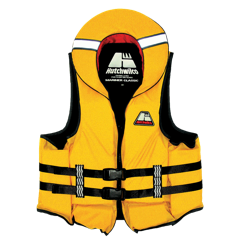
  • You must carry enough correctly fitting lifejackets for everyone onboard.
  • Lifejackets must be worn at all times unless the person in charge of the vessel has assessed the risks and advised it is safe to remove them. 
  • Lifejackets must be worn in situations of heightened risk such as when crossing a bar, in rough water, during an emergency or by non-swimmers
  • Lifejackets must be worn if you are being towed by any vessel.

lifejacketlifejacket

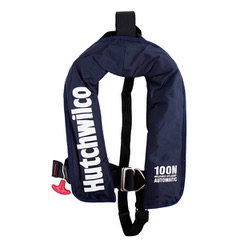
No one likes the idea of a bulky lifejacket that restricts them from enjoying their watersport so it’s key to get the right one. 

Whether you are fishing, boating or out paddling on the water, make sure you talk to your local lifejacket supplier or our Harbourmaster Team about what is the best type of lifejacket or other Personal Flotation Device for your activity.

Or find out more here: Types of lifejackets - Maritime NZ

Lifejackets only work when worn properly. 

  • Check the weight rating on your lifejacket and ensure it is fit for you.
  • To check the fit lift arms above head, gently lift shoulders of jacket. If jacket raises above the chin, it is too large.
  • Always read the instructions. Check the manufacturer guidelines located on inside of jacket.
  • Ensure children’s lifejackets have a crotch strap to go between their legs to ensure they don’t fall out when in the water.
  • If you have an inflatable lifejacket we strongly recommend you self-service it at least annually. Take care of your lifejacket/PFD and it will take care of you.

Expert tip: Have the right lifejacket.


Equipment checklist 

Before you head out on your adventure be prepared with the right gear. Ensure you and your crew are safe when out on the water by following this essential equipment checklist. 

  • Fire extinguisher
  • Anchor
  • Boat hook
  • Bailing device
  • Kill cord for open powerboats
  • Torch
  • Throwline
  • Spare fuel
  • Knife
  • First aid kit
  • Lifejackets - one correctly fitting lifejacket for everyone on board
  • Two forms of waterproof communications - this can include an EPIRB or PLB, VHF radio, cell phone in a waterproof bag, flares. 
  • Navigation equipment – a chart and compass, GPS and depth sounder. Exactly what you need will depend on how far you are going. 
  • Alternative form of propulsion such as a set of oars. 
  • Protective clothing – carry sufficient warm and waterproof clothing for your trip.

Communications equipment

If you can’t be heard, you can’t be helped!  

Communications equipment is an essential part of safe boating. If you can’t call for help, no one can rescue you. If you get into trouble while you’re on the water the ability to call for help is vital.

Many boaties think that they're fine with just a cell phone, but in reality, this isn't enough. You need to always carry at least TWO reliable ways to call for help that will work when wet.  

VHF radios are designed to get you help when things are going wrong. When there's reception, they are the most reliable way to call for help as by calling 'mayday' on Channel 16 you are communicating with a wider audience and vessels which are more likely to be able to give immediate assistance. 

Set your beacon off in an emergency – it’s the most effective way of letting people know that you need urgent help and where to find you. It’s important to check its battery life regularly. 

Cell phones are generally only helpful if kept dry and when you are close to land. Keep yours in a sealed waterproof bag, in a secure location. Save the battery for essential communication.

You can call 111 if in distress. Be aware that you may not have cell phone coverage so always take another form of communication. 

Flares are visual signals that grab attention over long distances and when waved torches can be effective too. 

Boating courses

Want to level up your skills? Explore courses to become a better boatie whether you’re a beginner or expert there’s a course for everyone. Check out Coastguard New Zealand for more details