Skip to main content Skip to footer
Menu
family with lifejackets family with lifejackets

Lifejackets

No lifejacket No excuse

If you’re out on the water this summer, you need to make sure that you pack and (most importantly) wear a lifejacket.

It doesn’t matter if you won’t be far from shore, you think you’re a strong swimmer or you’re worried you’ll look silly, there’s no excuse for not wearing one.  Regardless of whether you’re on a Stand up Paddleboard (SUP), kayak, boat, jetski or any other watercraft, the same rules apply.   

It’s estimated that than two-thirds of boating fatalities in NZ may have been prevented if lifejackets were worn, so follow the rules and stay safe.

In the Bay of Plenty:

  • You must carry enough correctly fitting lifejackets for everyone onboard.
  • Lifejackets must be worn at all times unless the person in charge of the vessel has assessed the risks and advised it is safe to remove them. 
  • Lifejackets must be worn in situations of heightened risk such as when crossing a bar, in rough water, during an emergency or by non-swimmers
  • Lifejackets must be worn if you are being towed by any vessel.
lifejacketlifejacket

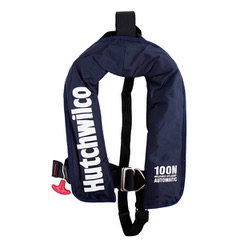
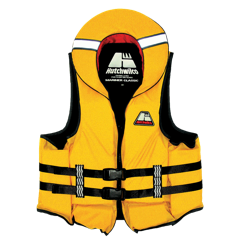
No one likes the idea of a bulky lifejacket that restricts them from enjoying their watersport so it’s key to get the right one. 

Whether you are fishing, boating or out paddling on the water, make sure you talk to your local lifejacket supplier or our Harbourmaster Team about what is the best type of lifejacket or Personal Flotation Device for your activity.

Or find out more here: Types of lifejackets - Maritime NZ

Lifejackets only work when worn properly. 

  • Check the weight rating on your Personal Floatation Device and ensure it is fit for you.
  • To check the fit lift arms above head, gently lift shoulders of jacket. If jacket raises above the chin, it is too large.
  • Always read the instructions. Check the manufacturer guidelines located on the inside of your lifejacket or Personal Floatation Device.
  • Ensure children’s lifejackets have a crotch strap (it can’t go anywhere else!) to ensure they don’t fall out when in the water.
  • If you have an inflatable lifejacket, we strongly recommend you self-service it at least annually and get it professionally serviced every two years. Take care of your lifejacket/PFD and it will take care of you.

Expert tip: Have the right lifejacket.