


Safe swimming areas
Bay of Plenty is spoilt for choice when it comes to choosing where to swim. But not all of our waterways are safe to swim – that is, they have good water quality. Heavy rain, bacteria and animal waste can all affect the health of our water.
Together with LAWA, Bay of Plenty and Lakes Public Health and your local council, we all play an important role in keeping you and your whānau safe in the water over the summer period.
Testing our water
From November to May, Bay of Plenty Regional Council staff are out collecting weekly water samples from more than 90 popular swimming spots. These samples are checked for faecal contamination (E. coli or Enterococci bacteria) and/or for toxin-forming algae (cyanobacteria).
We then send this monitoring information to our partner agencies who analyse and share the results.
- Bay of Plenty and Lakes Public Health Service
- Bay of Plenty and Lakes Public Health Service is responsible for issuing health warnings when bacteria or algae levels may become unsafe for swimming.
- LAWA (Land, Air, Water Aotearoa)
- LAWA is responsible for the nationwide online swimming water quality guide titled ‘Can I swim here?’. On this site you can find more than 850 popular swimming spots around the country, all graded using a traffic light system.
You can check the latest swimming water quality information, including health warnings, at LAWA.
Paralytic shellfish gathering warnings
Excess bacteria or algae in the water can have an impact on the health of our shellfish.
The Ministry for Primary Industries tests shellfish for biotoxins around New Zealand at popular recreational gathering sites. If shellfish become contaminated with high levels of biotoxins, warning signs are put up at affected areas.
Always check the www.mpi.govt.nz/shellfish website before gathering shellfish in your area to see if there are any biotoxin warnings in place.
Algae blooms and potentially toxic algae
Algae are essential to freshwater ecosystems but can become problematic at high concentrations. Some types of algae can also produce toxins that can be harmful to humans and animals.
Monitoring for algae blooms and potentially toxic algae (cyanobacteria) is a part of our regular water testing programme. However, algae blooms can happen suddenly or unexpectedly, so a warning may not be in place.
Here are some signs to look out for that could suggest an algae bloom:
- Is the water pea green or discoloured?
- Does it have slime on the surface, like paint scum?
- Does it smell bad?

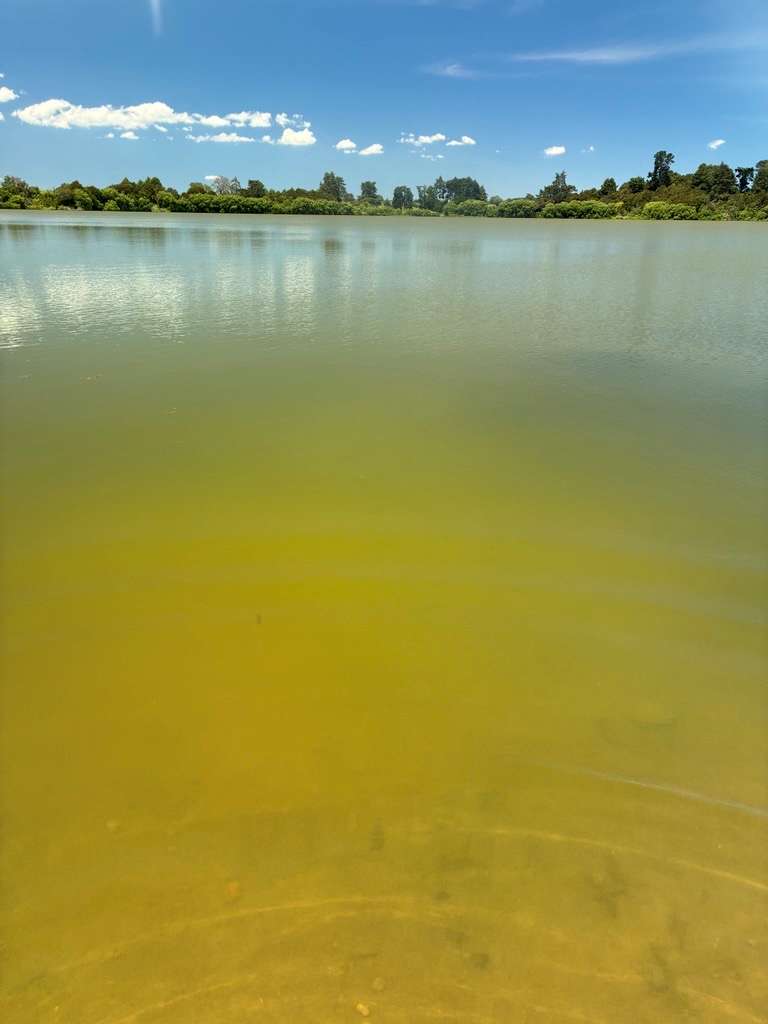
If you think you’ve been exposed to potentially toxic algae and are experiencing symptoms, such as nausea, vomiting, diarrhoea, irritation to the skin, nose, mouth and eyes, seek medical attention immediately.
Dogs are particularly at risk because they often scavenge and play near water. If you think your pet has been exposed, take them to the nearest vet immediately.
Regardless of health warning status, general public health advice when in and around waterways is:
- You should avoid swimming for two to three days after heavy or prolonged rain. This is because the water can be contaminated by farm and urban run-off which takes some time to settle out or flush away.
- Avoid swimming near potential sources of contamination such as flocks of birds, storm water or waste water outlets.
- If you suspect an algal bloom is present, don't swim or take part in an activity that may result in accidental consumption or exposure to water affected by algal blooms.
- Not all cyanobacteria produce harmful toxins, so a green lake or algal bloom doesn’t always mean it is of toxic nature, but if you see signs of a bloom and no warning has been issued, play it safe and avoid contact, especially if you have allergies or are immune compromised.
You can check the latest health warnings at LAWA or Health alerts.
Further information
- Recreational water quality monitoring in New Zealand factsheet.
- LAWA swim site gradings - what the swim icons mean factsheet.
- Faecal indicator bacteria (Enterococci and E. coli) factsheet.
- Potentially toxic algae factsheet.